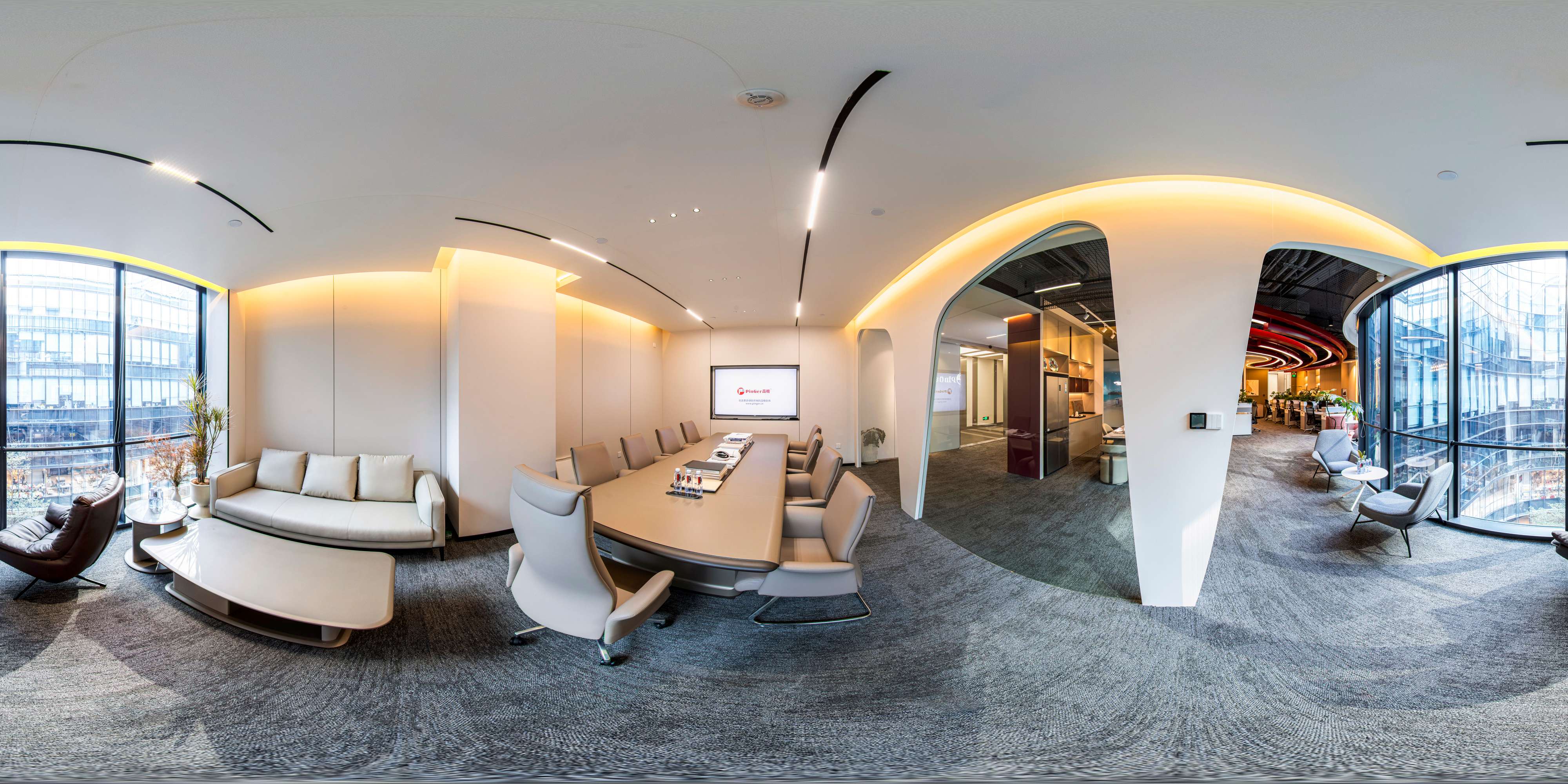
Acrovyn Wall Protection is the top choice for high-end finishes in 2026, but Pinger wins on flexible design and price. Pinger makes its own systems and also sells Acrovyn covering, so you are comparing a maker to a reseller. This guide looks at eight factors with clear results. You will see Acrovyn vs other wall protection fairly, including choices comparable to Acrovyn.
Pinger costs less at the start and lets you replace single panels. Acrovyn offers high-end finishes and PVC-free choices.
Both materials stand up to bumps and germs. Pinger uses built-in silver ions. Acrovyn keeps 67% less dirt in areas people touch often.
Pick Pinger for hallways and utility rooms. Select Acrovyn for lobbies and spaces where design matters.
Pinger built its good name on how it works with materials. The company started in 1999. It was China's first maker of semi‑flexible, antibacterial vinyl wall panels. Its factory covers many acres, and 70% is green space. Several automatic production lines run there. The materials are safe and do not pollute. They are also safe for people. Pinger uses special formulas it owns.
Each panel is a solid piece all the way through. The makeup is the same from front to back. A resin mix with silver ions fights germs like fungi, E. coli, staph, and mold. That protection lasts the whole life of the material. The hard vinyl core takes strong hits well.
|
Component |
Material |
Thickness |
Function |
|---|---|---|---|
|
Vinyl cover |
Rigid vinyl |
2mm |
Impact‑resistant cover |
|
Vinyl retainer |
Rigid vinyl |
2mm |
Retaining structure |
|
Aluminum retainer |
6063‑T5 oxidized aluminum |
2mm |
Rust‑proof support |
|
End cap |
ABS |
N/A |
End finishing |
|
Elbow and bracket |
ABS |
N/A |
Structural connectors |
Construction Specialties (CS) makes Acrovyn Wall Protection. The line has corner guards, handrails, crash rails, and wall and door protection. Pinger sells many Acrovyn wall coverings and can make custom ones. Acrovyn Rigid Sheet works well in places that take daily abuse. Shoppers comparing Acrovyn equivalent brands should know about this double role: Pinger builds its own systems and also sells Acrovyn coverings.
Pinger panels stand up to hits because of how they are built. Every panel is made of the same material all the way through. A tough vinyl core soaks up hard knocks. The 2mm rigid vinyl cover and 2mm vinyl retainer give one more layer of safety. A 6063-T5 oxidized aluminum retainer gives rust-proof support behind the panel. This design keeps the surface in one piece in busy hallways and patient rooms.
Silver ions in the resin fight fungi, E. coli, staph, and mold. That shield does not fade away. It lasts as long as the panel does. You get lasting cleanliness and lasting strength from one product.
Acrovyn Wall Protection earns its good name through tested results. Acrovyn surfaces resist dirt buildup in high-touch spots compared to normal painted drywall. That result counts in hospitals, schools, and transit hubs. Less dirt means fewer cleanings and a better look over time.
Acrovyn 4000 keeps the same impact strength and fire rating as other Acrovyn products. You do not give up durability for its PVC-free formula. This balance makes Acrovyn 4000 a solid pick for Acrovyn alternatives and Acrovyn equivalent brands searches. Buyers who want wall protection like Acrovyn but cheaper should compare Pinger's modular panels against Acrovyn's sheet goods. Both take daily abuse. Your choice comes down to budget and design goals. For a full view of Acrovyn vs other wall protection, weigh impact data against installation needs. Pinger's solid-core build and Acrovyn's tested surfaces both give comparable to Acrovyn performance in high-traffic spaces.
Pinger offers a big selection to match any room's style. You can pick from 11 standard surface textures. These include Lightly (A), Weave (B), Suede (C), Coarse (D), Matte (G), Starburst (H), Flax (M), Basket (O), Leather (P), Wood (S), and Striped (T). These finishes let you go from a soft suede feel to a rough, coarse look.
|
Category |
Details |
|---|---|
|
Standard Surface Textures (11 finishes) |
Lightly (A), Weave (B), Suede (C), Coarse (D), Matte (G), Starburst (H), Flax (M), Basket (O), Leather (P), Wood (S), Striped (T) |
|
Color Card Systems (5 series) |
Legend, Lotus, Wood, MO, Artist, SAGA |
|
Color Options |
Numerous standard color codes per series (e.g., SAGA lists 43 standard options) |
Pinger also gives you five color card systems: Legend, Lotus, Wood, MO, Artist, and SAGA. Each series has many standard color codes. The SAGA series alone lists 43 standard choices, like 1024D, 1866D, 1035D, 3011B, and 1051P. You can download the official Pinger color card catalog as a PDF to see all the details.
Acrovyn 4000 adds a modern texture to your walls. This surface is easy to clean and gives a fresh look. The design helps you meet both cleanliness and style goals in one product.
The Dimensional Moldings Collection gives you more design freedom. This system uses Acrovyn Rigid Sheet as a base with modular parts and feature rails. You can mix and match sheets with parts or feature rails to build endless paneled looks. The system has vertical and horizontal pieces like wainscot trims, corners, and bases. Feature rails come in traditional, transitional, and contemporary styles. This modular approach lets you make clean panel designs or special wall treatments for any space.
Acrovyn by Design adds even more choices. You can pick metallics for light reflection and color movement. Exclusive patterns come ready to print in colorways that match standard Acrovyn colors. Tapestry mixes Acrovyn with woven fibers for extra style. Custom graphics give you the most freedom for unique visual statements. You can even put these graphics on doors with Acrovyn Doors by Design. This option lets you personalize doors or spread a mural across a whole wall.
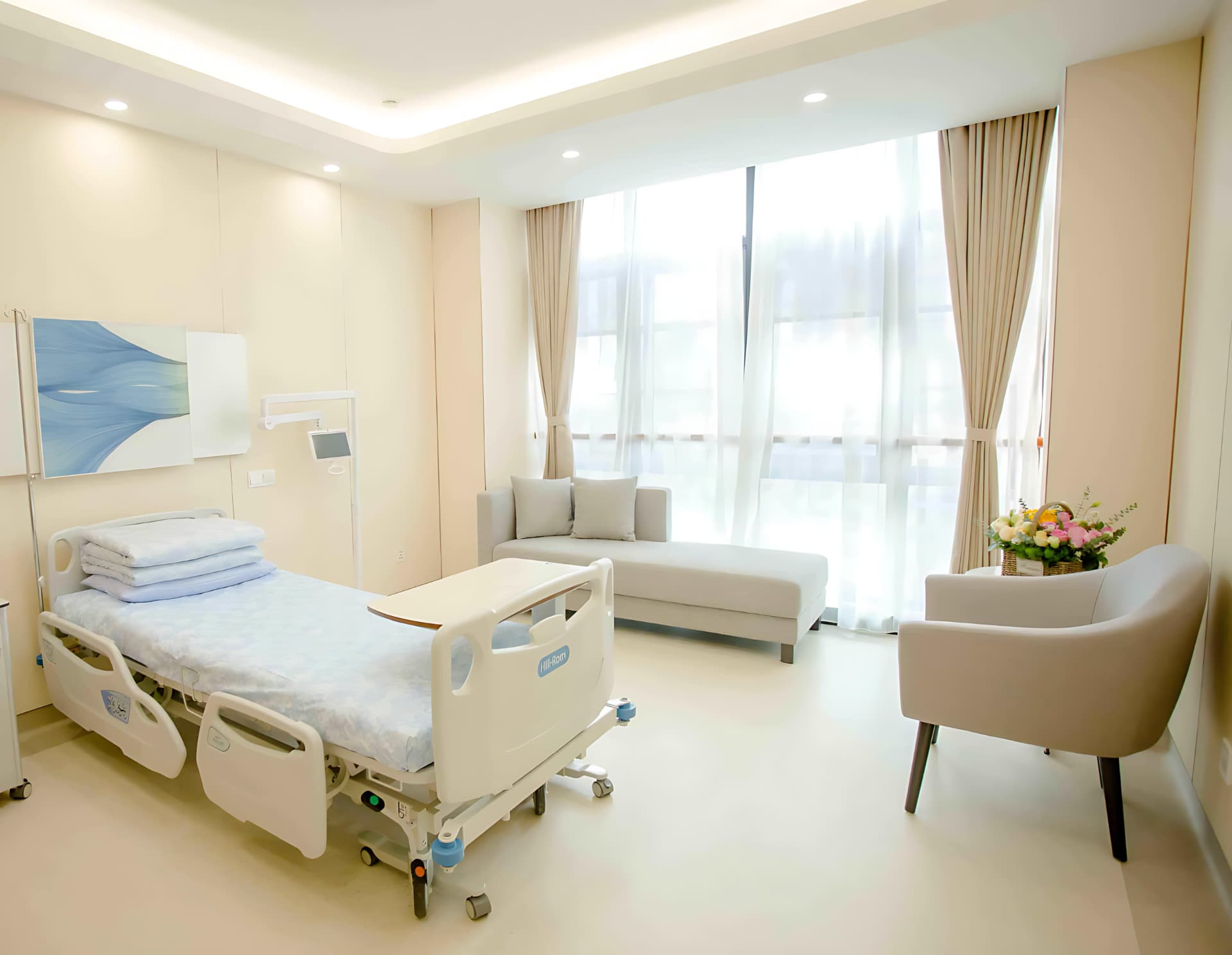
How well you install your wall protection system decides if it works as it should. Acrovyn wall covering gets bigger and smaller as the temperature changes. You have to leave room for this movement when you put it up. Putting caulk in the right way seals the joints and keeps moisture out. This step matters a lot for how long it lasts.
Pinger's modular panel system makes your installation work easier. The aluminum retainers and ABS connectors form a mechanical fastening system. This design means you do not need to rely on adhesives as much. You lower the chance of common errors with this approach. Panels click into place instead of needing a lot of glue work.
Many installation failures come from mistakes you can avoid. The table below shows the most common errors and what happens because of them.
|
Installation Mistake |
Resulting Failure |
|---|---|
|
Poor adhesive application (wrong pattern/thickness) |
Panels lose adhesion and peel away |
|
Improper seam sealing with incompatible sealants |
Moisture intrusion and water-tight joint failure |
|
Inadequate substrate preparation (not clean, dry, primed) |
Long-term adhesion loss and telegraphing of imperfections |
|
Wrong fastener selection |
Premature system failure regardless of material quality |
|
Skipping material acclimation (min. 24 hours) |
Thermal expansion causing buckling or seam separation |
|
Incorrect adhesive patterns (no notched trowel coverage) |
Excess squeeze-out or insufficient bonding |
|
Failure to address moisture or structural defects |
Trapped moisture, mold growth, and panel failure |
|
Using untrained crews / non-compliant installation |
Voided warranties and complete reinstallation costs |
You must let materials get used to the room for at least 24 hours before installation. This step stops buckling from thermal expansion. You also need to pick sealants and fasteners that work with your specific wall type. Trained crews keep your warranty valid. Each mistake in the table can lead to system failure, no matter how good the material is.
You can clean all Acrovyn Wall Protection products using the methods the maker specifies. The Dimensional Moldings Collection and Acrovyn by Design lines work well with standard procedures. You can use mild detergents and soft cloths for everyday upkeep. You do not need harsh chemicals for most cleaning jobs.
Pinger panels have antimicrobial protection built into the material. Silver ions in the resin fight fungi, E. coli, staph, and mold. This protection means you need fewer harsh chemical cleaners. The solid-core construction also stands up to damage from daily impacts. If damage does happen, you can swap out single panels without messing up the ones next to them. This modular repair ability saves you time and money compared to sheet goods that need the whole section replaced. You just take out the damaged panel and snap in a new one. The retainers stay in place, so you do not have to redo the whole installation.
Pinger wall protection systems cost less at the start than Acrovyn sheet goods. With Pinger, you pay for a full modular system. The price covers aluminum retainers, ABS connectors, and rigid vinyl panels. These parts come ready to install. Acrovyn sells sheet goods that need separate installation materials, adhesives, and labor. Pinger's direct-from-manufacturer model removes middleman markups. You get factory pricing without retail overhead. Your installation costs also go down with Pinger's mechanical fastening system. Panels click into place. You need less specialized labor than adhesive-based Acrovyn installations. That gap saves you money on every project. For buyers looking for wall protection like Acrovyn but cheaper, Pinger gives similar impact resistance at a lower starting price. You get solid-core durability without the premium brand markup.
Your total cost of ownership counts more than the purchase price. Pinger's modular design lets you swap out single damaged panels. You skip costly full-wall replacements. That saves you time and labor costs over the building's life. The built-in antimicrobial protection cuts cleaning supply expenses. You use fewer harsh chemicals. Acrovyn's resistance to dirt buildup also lowers maintenance spending. Both products cut wall repair and repainting costs a lot. Standard painted drywall needs frequent touch-ups and repainting. Acrovyn and Pinger remove those repeating costs. Pinger's solid-core construction fights impact damage for years. Acrovyn 4000 offers PVC-free durability with similar longevity. Your return on investment depends on traffic levels and cleaning frequency. High-traffic hospitals and schools see faster payback with either system. Pinger usually wins on price. Acrovyn wins on premium finishes. Both protect your walls better than painted drywall. Your choice between them comes down to your budget and design priorities.
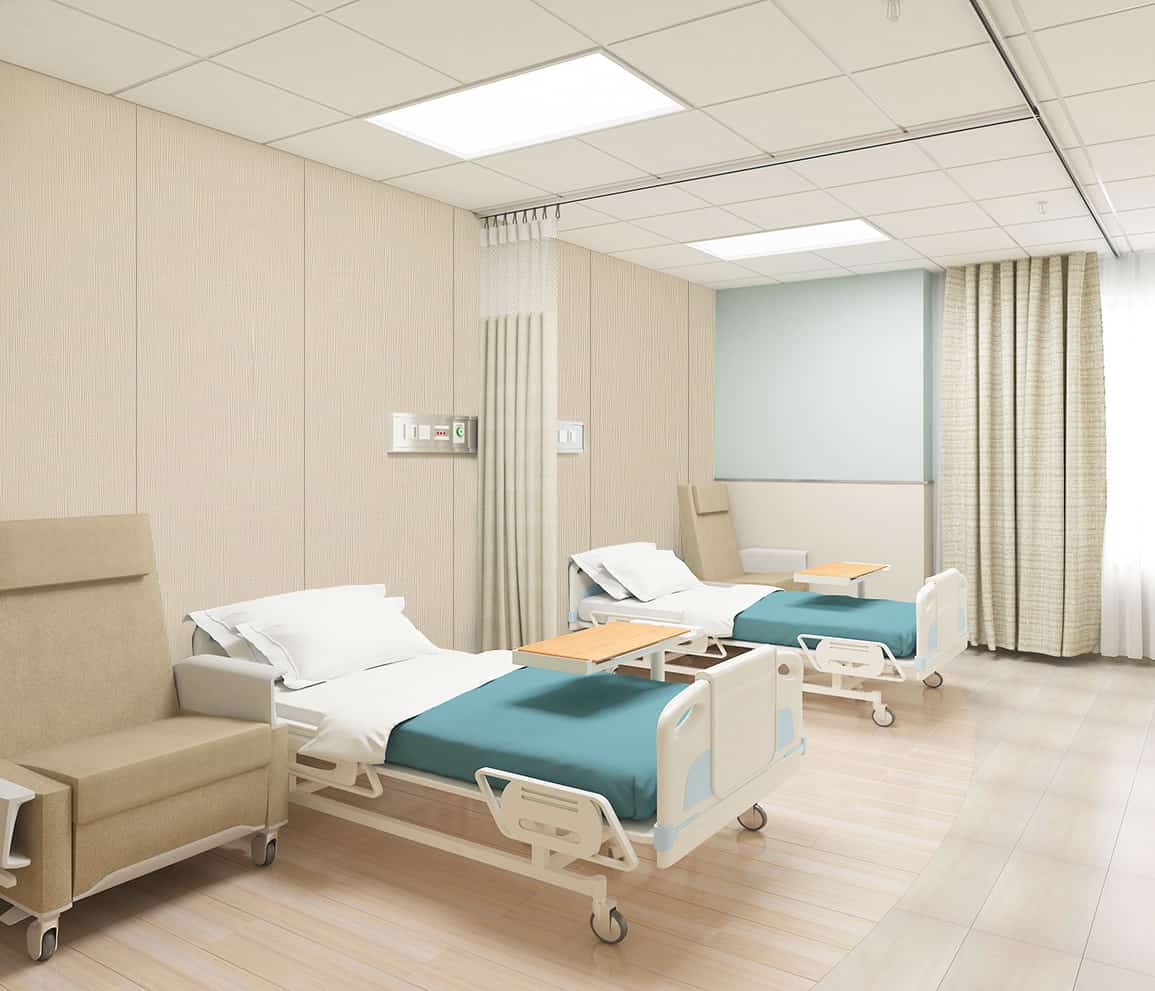
Acrovyn 4000 is a leader in green wall protection. This product has no PVC or halogen. It has a fire rating. It is also good for the planet. The material keeps the same impact strength as other Acrovyn products. You do not lose durability to help the environment.
Pinger uses rigid vinyl in all its solid-core panels. The material is the same from front to back. Vinyl has different good and bad effects on nature. The modular design cuts down on waste. You buy only the panels you need. Nothing extra goes to the trash.
Both products help with green building certification. They have GREENGUARD certification. This outside program checks products that release low fumes for indoor spaces. Standard GREENGUARD certification limits total VOC emissions to 500 μg/m³. GREENGUARD Gold sets a tighter limit of 220 μg/m³. It also requires low formaldehyde emissions. These certifications help you earn points in LEED, BREEAM, and Fitwel projects. For LEED, GREENGUARD certified products count toward EQ Credit 4.1 for low-emitting materials.
GREENGUARD Certification standards are nationally recognized voluntary standards which establish requirements for low-emitting products used in indoor environments, such as building materials, finishes, furnishings, cleaning products and electronic equipment. Emissions criteria may vary based on product formulation and use. These standards are maintained by UL Environment and incorporate health-based emissions criteria established by the U.S. Environmental Protection Agency (EPA), State of California and other reputable public health agencies.
What happens at the end of a product's life matters for your total impact on nature. Pinger's modular system has a clear edge here. You swap out only the damaged panel. The aluminum retainers and ABS connectors stay where they are. This way sends less stuff to the trash over time.
Acrovyn Wall Protection sheet goods need full section replacement when damaged. The PVC-free makeup of Acrovyn 4000 avoids some disposal problems. You face fewer rules with halogen-free materials at the end of their life. For projects tracking circular economy goals, think about how each product's end-of-life profile fits your green plan. Your choice between recycled content and end-of-life recyclability depends on what your project needs most.
Your type of building decides the best choice more than brand names. Hospitals and schools both see heavy traffic, but they get hit in different spots. In healthcare, stretchers, IV poles, and medical gear make higher impact areas. You should put wall protection at 42 to 48 inches tall. Schools need it at 36 to 42 inches. Elementary schools use the lower height for student impacts. High schools and universities use the higher end.
Hospital walls must stay clean and resist damage from strong cleaners. The CDC says walls need proper cleaning. Your wall finish must not be porous, hard to clean, or soak up moisture. Pinger's silver-ion material fights germs for the whole life of the panel. That built-in shield means you use fewer harsh chemicals. Acrovyn Wall Protection also works well here. Its surfaces resist dirt on high-touch spots compared to painted drywall.
Fixing up occupied hospitals needs ICRA Class III or IV rules. You need sealed barriers, negative pressure, and HEPA filters. Pinger's modular panels snap in with little dust. That matters when you work near patients with weak immune systems.
Offices, stores, and warehouses each have special needs. Office walls usually need protection at 42 inches to stop chair backs and desk edges. Store back rooms use 42 inches for cart damage. Customer areas drop to 36 inches to feel welcoming. Factories and warehouses push mounting to 48 inches or more. Forklifts and pallet jacks hit above standard heights.
Fire ratings control what material you pick. Exit halls usually need 1-hour ratings. Staircases and elevator shafts often need 2-hour ratings. Both Pinger and Acrovyn have fire-rated options. Acrovyn 4000 keeps the same impact strength and fire rating while using no PVC or halogens.
Cleaning stays easy for both brands. You clean daily with regular solutions. Damaged panels in Pinger's system come out without messing up nearby ones. That saves work in busy stores. For buyers looking at Acrovyn alternatives, Pinger gives similar impact strength at a lower starting price. Acrovyn wins on fancy finishes and green options. Your choice comes down to traffic, budget, and design goals.
Pinger delivers modular flexibility, reseller reach, and cost-efficiency. Acrovyn Wall Protection wins on premium finishes, PVC-free options, and proven reliability. No single winner exists. Your choice depends on facility type, traffic, budget, and design intent. Both brands continue to innovate in 2026. You should request samples and updated pricing before finalizing your decision.
Pinger wins on the price you pay at the start and on fixing single panels. Acrovyn Wall Protection wins on high-end looks and green certifications. How much traffic your building gets decides how fast you earn back your money.
Yes. Use Acrovyn for lobby areas where design matters most. Use Pinger for hallways and utility spaces where you want to save money. Both work well side by side.
Pinger's modular design lets you swap out single panels. Acrovyn sheet goods need the whole section replaced. Pinger saves you time and money on repairs.


 IPv6 mạng được hỗ trợ
 English
 français
 Deutsch
 русский
 italiano
 español
 português
 العربية
 한국의
한국의 Tiếng việt
 Indonesia
 中文
中文